
Japan’s population is declining, but the nature and pace of that decline vary by region. The number of those over 85 years old, and their increasingly complex needs in healthcare and long-term care services, is set to grow through the 2050s. However, there will be fewer people of working age to meet those needs, with the impact varying by region. Rather than maintaining the uniform service levels of the current system, Japan should shift to a regionally tailored approach. Communities will need to discern which aspects to leave in place to support their specific needs and then prioritize the allocation of resources, including workforce, accordingly.
Making Japan’s Healthcare and Long-Term Care System Sustainable
Retailoring strategies to emphasize regional needs over uniform service levels
31 July 2026
Issues faced by the elderly: Ever pressing and ever varied
The elderly, and particularly those over 75 years old, are more likely to have overlapping healthcare needs involving chronic conditions, dementia, frailty,* and long-term care requirements.† More people in the 85+ demographic translates directly to an uptick in the number elderly requiring access to both healthcare and long-term care services. However, there will be fewer family members and people of working age to support their needs. Japan is on track for a peak in the elderly proportion of its population around 2040, but issues stem not from the increase in the elderly population itself; a tighter supply and intensified demand will strain the healthcare and long-term care systems.
The number of elderly people living alone is expected to rise too. By around 2040, roughly 45% of households headed by someone 75 or older will include only one person.‡ Their everyday challenges, such as making visits to care providers, will dovetail with their growing needs for healthcare and long-term care. Common problems include no way to get to medical appointments, lack family support, and no one to turn to at night and during emergencies.
*Frailty is a state of age-related physical and mental decline
†Multimorbidity is the co-occurrence of two or more chronic disorders in a patient. Analysis of patients with coverage under Japan’s public health insurance system for people aged 75 and over in Tokyo showed that 80% of those over 75 years old had two or more chronic disorders and 32% had five or more chronic disorders (based on data from 2013–14).1 Furthermore, the prevalence of dementia was 7.1% in those aged 75–79, 16.6% in those aged 80–84, 32.8% in those aged 85–89, and 50.3% in those over 90 years old (as of 2022).2 The combined percentage of people designated as requiring support or long-term care was 4.3% among those aged 65–74, 17.7% among those aged 75–84, and 59.8% among those over 85 years old3
‡By prefecture, Tokyo had the highest proportion at 52.1%, followed by Osaka Prefecture at 51.3%, while Yamagata Prefecture had the lowest at 34.0%, indicating substantial regional variation4,5
Issues vary significantly by region
The nature of these difficulties also varies. Japan’s total population started shrinking in the late 2000s, but the pace of decline differs by region. Some major metropolitan areas will continue to see population inflows through 2050, while other regions are projected to see significant declines in their overall population, including the elderly. Therefore, a broad-brush categorization of “urban versus rural” is inadequate. Instead, the country needs a locally oriented approach that considers both the scale of demand for and conditions affecting access to healthcare and long-term care services in a given region (Figure 1).
Low-demand, wide-area regions include Chugoku and Kinki, where large swathes of territory feature tall mountains and heavy snowfall. Low-demand, compact-area regions include remote islands and coastal areas. Both types face a lack of healthcare professionals and care workers as well as significant constraints such as travel distance and access to transportation. Such regions need care-delivery systems suited to their characteristics. Low-demand, compact-area regions will need home-care services that leverage the local population-concentration advantages. Meanwhile, low-demand, wide-area regions will need to establish convalescent care in existing hospitals and long-term care facilities, particularly in regions that face heavy snowfall.
High-demand, compact-area regions include many communities within Japan’s three largest metropolitan areas: Tokyo, Osaka, and Nagoya. Even though major cities have the resources to provide healthcare and long-term care services, the population of those over 75 will be substantial around 2040, and care systems are expected to come under increasing strain from the support needed by elderly patients. This gigantic demand will span the chain of care from emergency treatment to hospital discharge and at-home healthcare services.
High-demand, wide-area regions are typically regions with prefectural capitals and hub cities in parts of the country other than the three largest metropolitan areas. Even as the elderly population continues to increase through 2040, these regions are expected to face falling demand for health services over the medium-to-long term. Further, this will be combined with shortages of personnel in healthcare and long-term care. Where there are substantial patient inflows from surrounding areas with limited medical infrastructure, individual medical facilities may find it difficult to justify restructuring on the basis of population decline alone. This makes regionally led system planning all the more important in high-demand, wide-area regions.
Figure 1: Characteristics and likely challenges by type of region
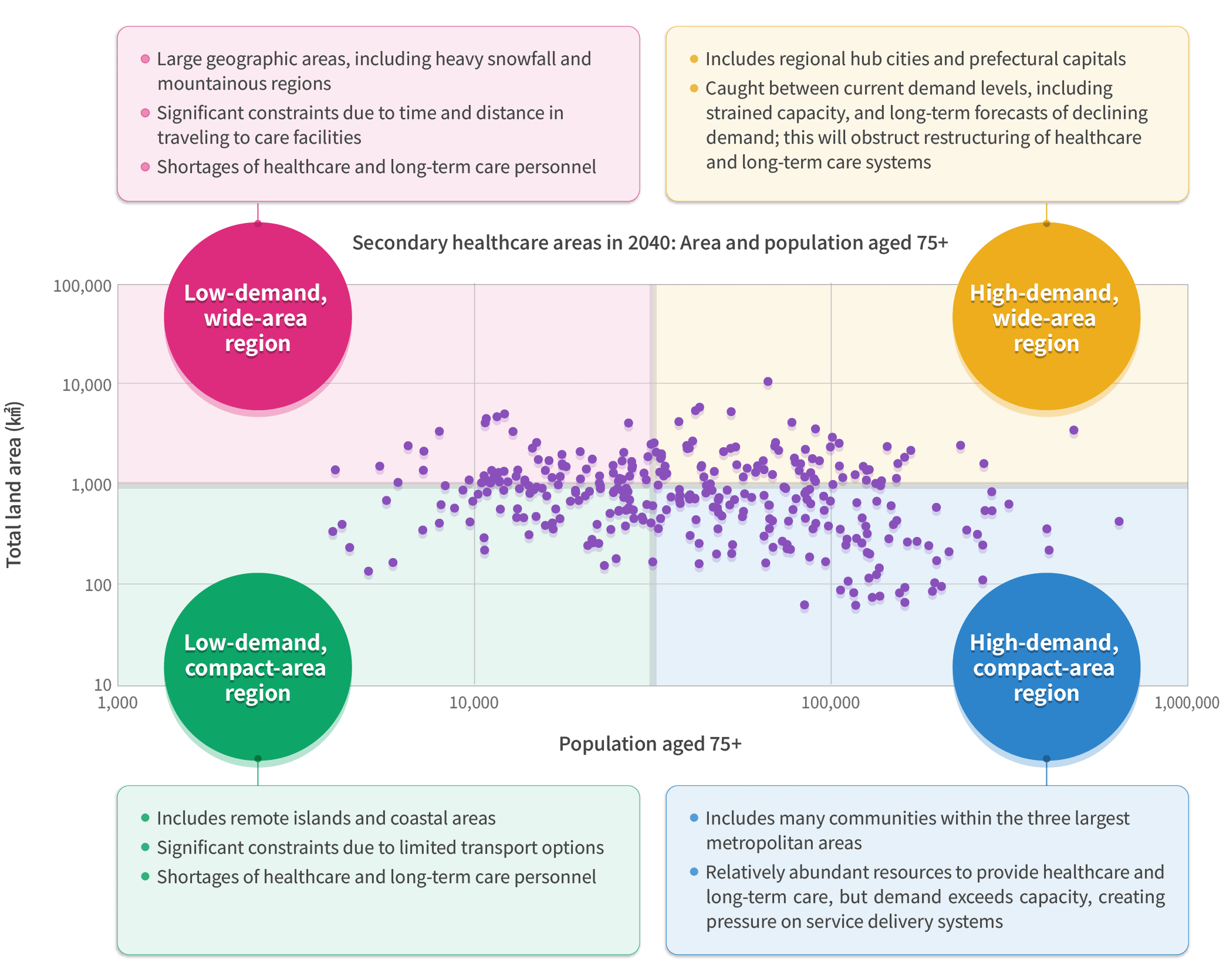
Note: x axis shows population over 75 years old; y axis shows total land area (㎢). Both axes use logarithmic scales
Source: Mitsubishi Research Institute, Inc. from National Institute of Population and Social Security Research 日本の地域別将来推計人口 令和5 (2023) 年推計 [2023 Regional Population Projections for Japan]
https://www.ipss.go.jp/pp-shicyoson/j/shicyoson23/t-page.asp (accessed 4 March 2026),
Statistics Bureau of Japan Statistical Observations of Municipalities
https://www.stat.go.jp/english/data/s-sugata/index.html (accessed 4 March 2026)
Source: Mitsubishi Research Institute, Inc. from National Institute of Population and Social Security Research 日本の地域別将来推計人口 令和5 (2023) 年推計 [2023 Regional Population Projections for Japan]
https://www.ipss.go.jp/pp-shicyoson/j/shicyoson23/t-page.asp (accessed 4 March 2026),
Statistics Bureau of Japan Statistical Observations of Municipalities
https://www.stat.go.jp/english/data/s-sugata/index.html (accessed 4 March 2026)
Rebuilding the healthcare and long-term care systems would take decades. 2040 is not that far off. What Japan needs to do now is take a regional approach to redesigning its systems under the assumption that the elderly population will increase while the total population declines.
2040: A turning point necessitating ever-greater efficiency
Regions will have to figure out how to manage the increasingly diverse needs of the elderly amid diminishing demand for healthcare and long-term care services due to population decline. We propose consolidation and restructuring, combined with greater use of technology to improve efficiency. However, improved efficiency here does not simply mean reduced costs. Japan needs to restructure its systems so that the essential functions of each region remain in place and are sustainable within the constraints of limited resources.
Regions facing future decreases in demand cannot keep allocating resources at previous levels. After demand peaks, it will not be easy to reduce resources and personnel in a flexible way. Japan needs to use a process of consolidation and functional differentiation to reorganize dispersed and inefficient service delivery systems, rather than simply supplementing shortages.
In concrete terms, this will require hospitals to consolidate acute-care functions while simultaneously developing more integrated-care functions.* This will better enable them to handle elderly emergency care, early rehabilitation in the acute phase, nutritional management, and support services during hospital admission and discharge.† On the home-care side, Japan needs to develop 24-hour community care hubs that combine home care, including medical visits, nursing services, routine home visits. Japan should also develop small-scale multifunctional home-care services with nursing support.‡ Together, these would push the country toward regional systems capable of responding to needs immediately after hospital discharge and for sudden nighttime emergencies that affect the elderly, whether living on their own or with caregivers.
Kakegawa City in Shizuoka Prefecture provides a convincing case for reorganizing healthcare delivery. Kakegawa merged its municipal hospital with that of neighboring Fukuroi City and relocated operations to the newly built Chutoen General Medical Center. This has served to strengthen the region’s capacity to provide emergency care locally. They have been able to reduce hospital bed numbers (from 850 to 500) while also strengthening acute care functions. At the same time, the previous hospital site was redeveloped as Kakegawa Higashi Hospital to play a downstream support role, mostly providing post-acute recovery and chronic care, which has allowed greater functional differentiation among hospitals in the region. On top of this, the region established a five-location web of community-health and medical-support centers within the city under the Fukushia banner. They serve as regional hubs and integrated consultation points for multidisciplinary support centered on in-home services spanning healthcare, long-term care, and daily-living. Kakegawa succeeded at both consolidating its hospitals and ensuring the region retained its support structures for the elderly with substantial care needs so that they can continue to live in the region (see Figure 2).
*Functions in which hospitals accept elderly patients in emergency situations and provide care from the early stages of hospitalization integrating aspects such as treatment, rehabilitation, nutritional support, and oral health management. The goal is to help such patients return home as soon as possible. The concept can also mean medical care and rehabilitation aimed at supporting patients’ transition back home after the acute phase
†A new category of hospital-bed function presented in the Summary of the New Regional Healthcare Vision (18 December 2024). The previous post-acute category was expanded to include functions providing medical care for acute-phase elderly patients and others and positioned as an integrated care function6
‡Small-scale, multifunctional home-care services with nursing support provide multiple services through a single provider (including home nursing services, in-home care services, adult day care services, and short-stay respite care) in coordination with the user’s primary physician and tailored to the user’s condition and family circumstances
Figure 2: Kakegawa City’s healthcare-system restructuring—
Greater service efficiency premised on population dynamics in 2040 and beyond
Greater service efficiency premised on population dynamics in 2040 and beyond
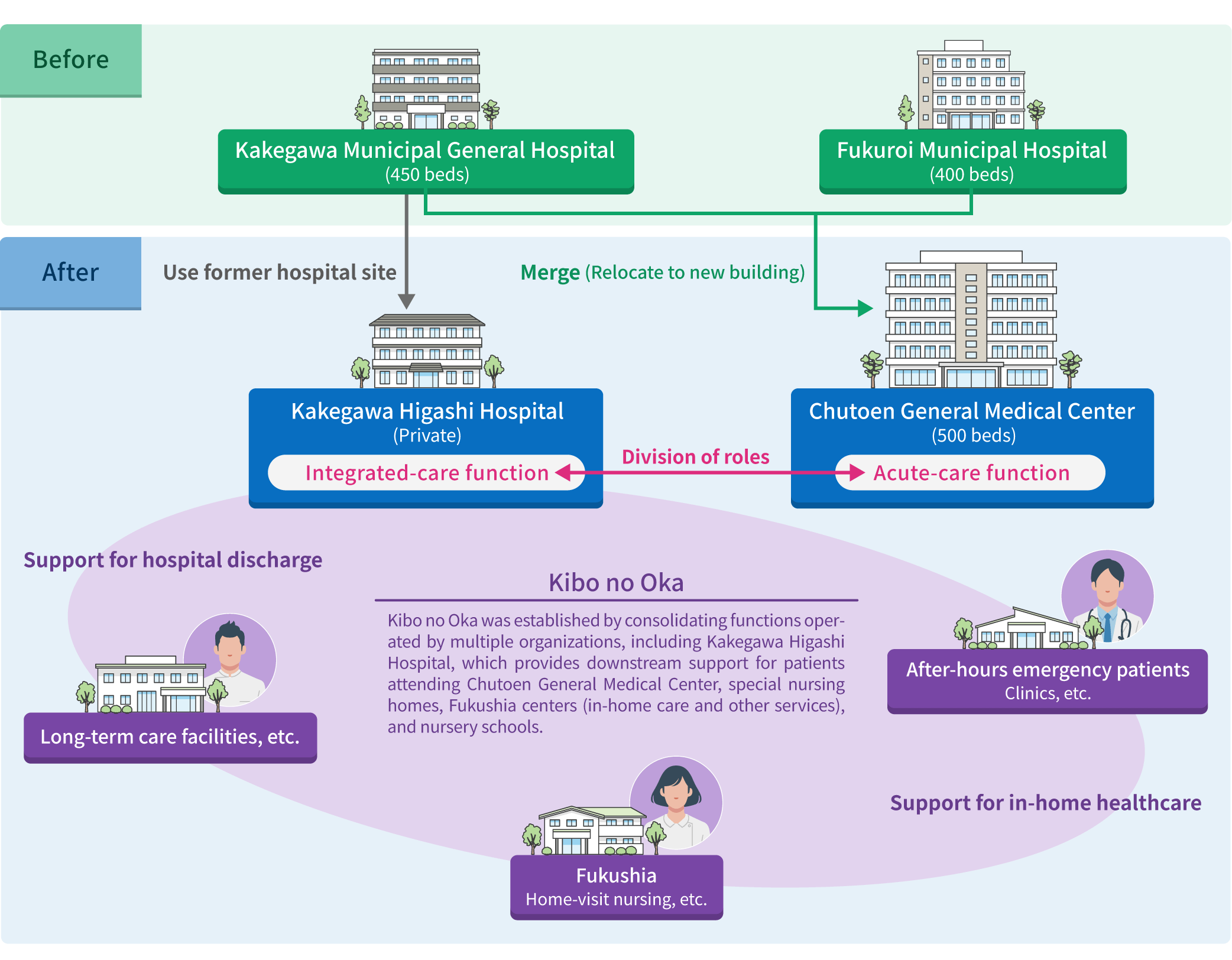
Source: Mitsubishi Research Institute, Inc. from Ministry of Health, Labour and Welfare 医療機関の再編における課題と先行事例 [Challenges and leading case studies in the reorganization of medical institutions]
https://www.mhlw.go.jp/content/10800000/000984014.pdf (accessed 13 April 2026)
https://www.mhlw.go.jp/content/10800000/000984014.pdf (accessed 13 April 2026)
In long-term care, small individual providers handle not only service provision, including nighttime care, but also recordkeeping, administrative tasks, staff recruitment, and training. This model is already approaching its limits. Japan needs to improve efficiency through increased collaboration and consolidation among providers. This could include joint recruitment, shared transport services, rotation of responsibility for nighttime coverage, standardized record formats, and information-sharing platforms.
In underpopulated and mountainous regions, it will be difficult to maintain all care functions at current levels. For this reason, prefectures and municipalities need to clearly identify the minimum essential functions and focus on providing government support to maintain these community services. Such functions could range from 24-hour consultation, transportation services, and home services including facets like medical exams, home-visit nursing, medication delivery, and medication administration. These in part would necessitate measures such as relaxed regulations, staffing and otherwise, and the provision of services by municipalities. In addition, greater use of digital technologies could improve information sharing and care-plan coordination, enabling seamless support systems to be maintained even with limited personnel.
Prefectural governments too will have an important role to play. They must identify the challenges in each region and coordinate stakeholder interests. They must also identify the functions needed in each region and allocate the resources required by the local care providers responsible for providing the actual services.
Questionnaire sheds light on perceptions of residents
There are some negatives that could arise from restructuring medical facilities and long-term care service providers. Fewer services close to home could lead to greater burden on users when it comes to accessing medical services.
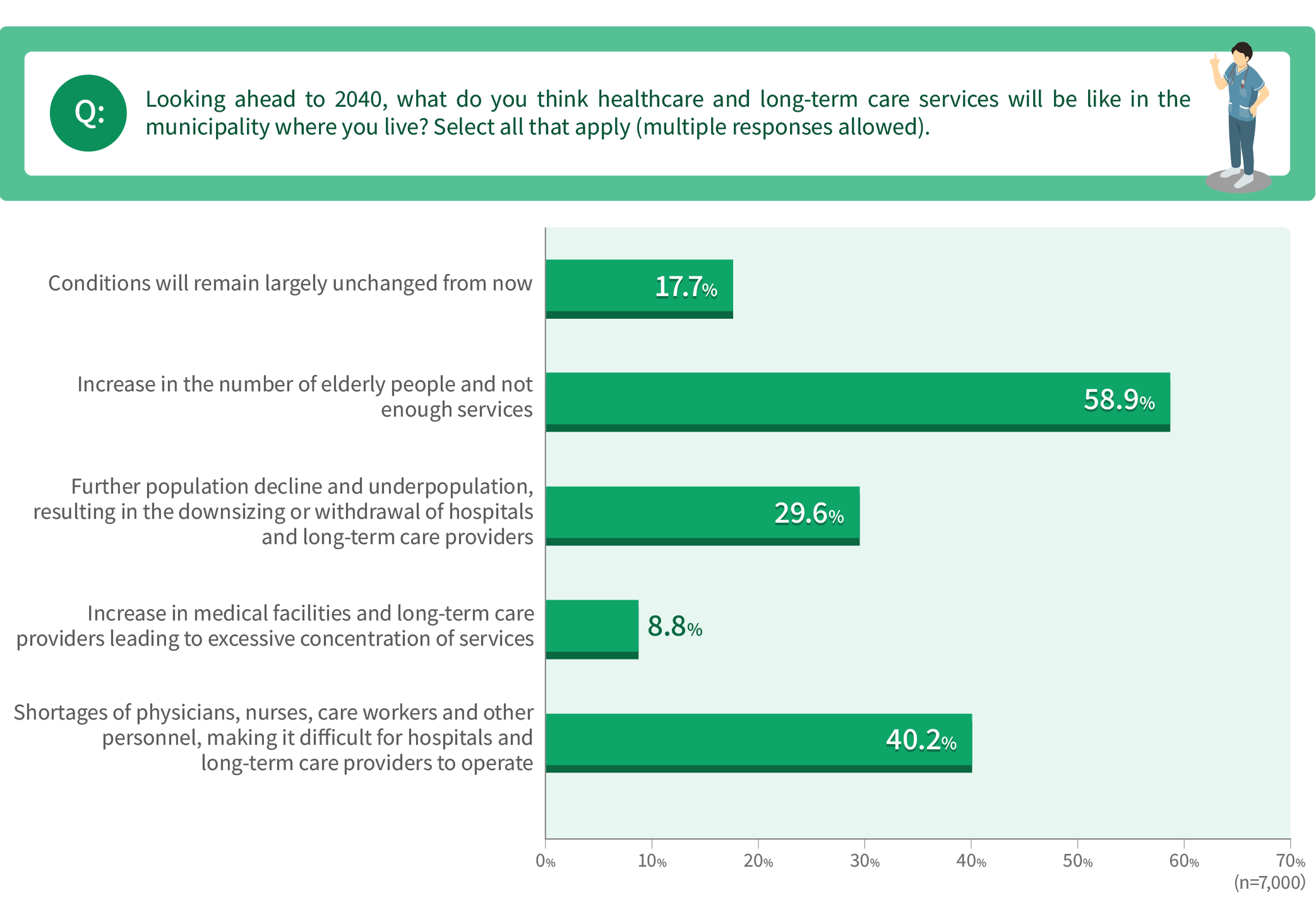
To better assess public perceptions on the issue, we conducted an original questionnaire of 7,000 men and women aged from 20 to 89. When asked about their community in the year 2040, many envisioned a greater number of elderly people and a lack of healthcare and long-term care services. Only a limited number of respondents thought conditions would remain largely unchanged from now (Figure 3, top). When asked about how services should be provided in the future, the most common responses were to consolidate facilities, make service provision more efficient, and prioritize the allocation of fees to providers offering the region with essential services (Figure 3, bottom). We interpret these results as showing public support for prioritizing essential functions rather than using tax revenues and other financial resources to maintain current service levels uniformly across all regions.
Another key takeaway is that younger age groups were more likely to support the idea that residents should relocate to and live in areas where care services can be maintained. This does not mean that the elderly residents of today should be encouraged to relocate. Instead, it suggests that a certain proportion of working-age people and younger elderly people are open to the idea of relocation.
That being the case, it may be useful to create an environment where people in these age groups can choose where they will live with future access to care in mind. As regional populations decline, this could support a stepwise transition to sustainable service-delivery systems while avoiding sudden contractions or gaps in care provision.
Figure 3: Japanese public’s hopes for healthcare and long-term care services
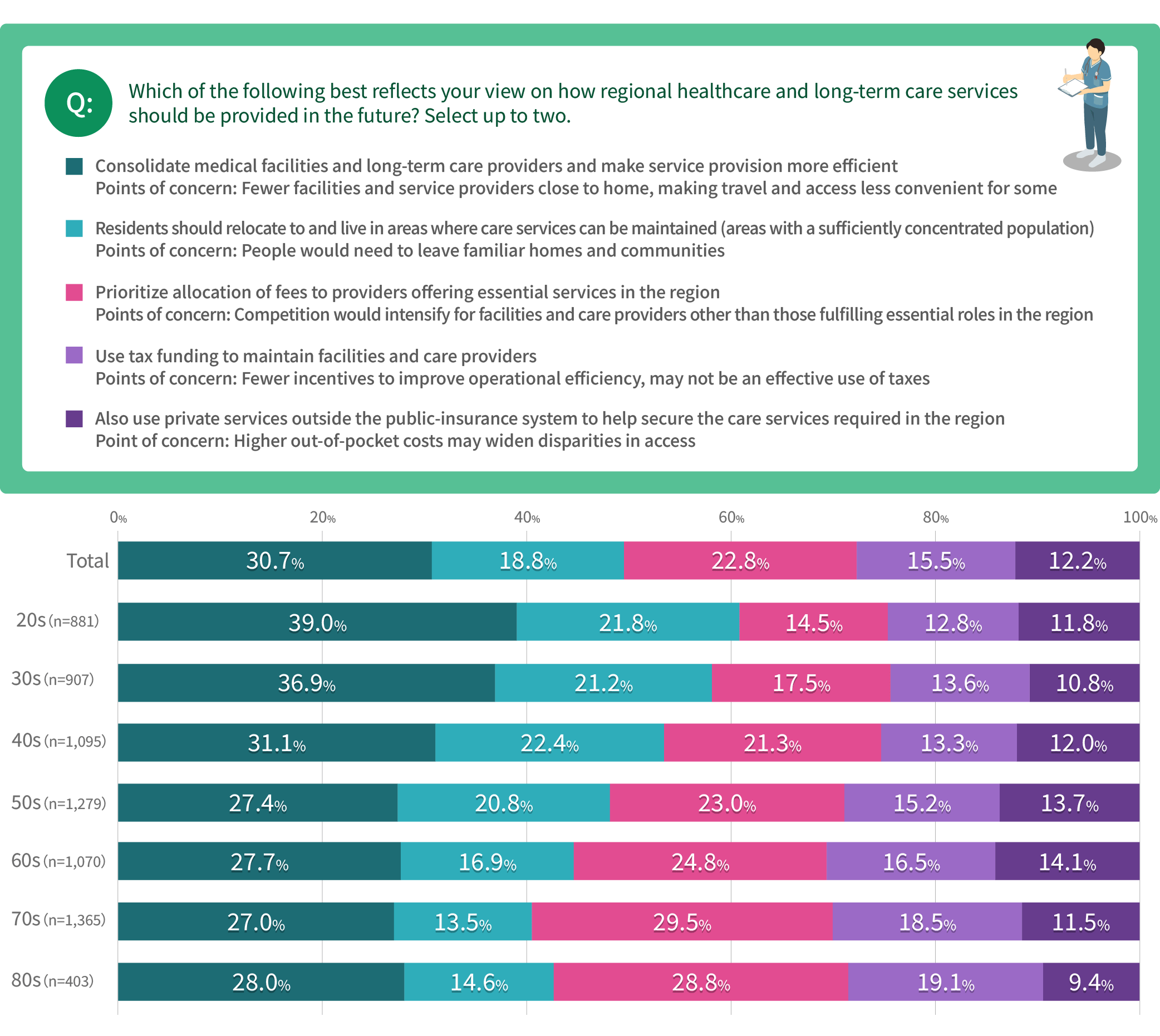
Note: Results were aggregated using the option each respondent ranked first among their two selected responses
Source: Mitsubishi Research Institute, Inc. Market Intelligence & Forecast (mif) database (survey conducted 10–13 March 2026)
Source: Mitsubishi Research Institute, Inc. Market Intelligence & Forecast (mif) database (survey conducted 10–13 March 2026)
Locally oriented streamlining
The key question for a society with a shrinking population is not to what degree can existing healthcare and long-term care services be maintained. Instead, each region first needs to define what essential regional services must be preserved and then ask whether it is possible to focus personnel and financial resources on those functions. Japan needs restructuring strategies tailored to regional needs rather than a policy of maintaining existing uniform service levels. Redesigning systems for an era of population decline is no longer an issue to be addressed down the road. It is a policy challenge the government needs to tackle right now. Prefectural governments should take the lead in defining what types of functions best be maintained in their regions and to engage more in deep dialogue with local stakeholders.
Works Cited
1Mitsutake et al. (2019) “Patterns of Co-Occurrence of Chronic Disease Among Older Adults in Tokyo, Japan” Prev Chronic Dis
https://pubmed.ncbi.nlm.nih.gov/30703000/ (accessed 13 March 2026)
2Kyushu University (2024) 認知症及び軽度認知障害の有病率調査並びに将来推計に関する研究 報告書 [Report on research into the prevalence of and future projections for dementia and mild cognitive impairment]
https://www.eph.med.kyushu-u.ac.jp/jpsc/uploads/resmaterials/
3Ministry of Health, Labour and Welfare [December 2025 preliminary report on long-term care insurance project status]
https://www.mhlw.go.jp/topics/kaigo/osirase/
4National Institute of Population and Social Security Research 日本の世帯数の将来推計(全国推計) 令和6(2024)年推計 [2024 forecast of future household numbers for Japan (nationwide)]
https://www.ipss.go.jp/pp-ajsetai/j/HPRJ2024/t-page.asp (accessed 13 March 2026)
5National Institute of Population and Social Security Research 日本の世帯数の将来推計(都道府県別推計) 令和6(2024)年推計 [ 2024 forecast of future household numbers for Japan (prefectural)]
https://www.ipss.go.jp/pp-pjsetai/j/hpjp2024/t-page.asp (accessed 13 March 2026)
6Ministry of Health, Labour and Welfare Study Group on the New Regional Healthcare Vision (2024) 新たな地域医療構想に関するとりまとめ [Summary on the New Regional Healthcare Vision]
https://www.mhlw.go.jp/stf/newpage_47465.html (accessed 3 April 2026)
Author profile
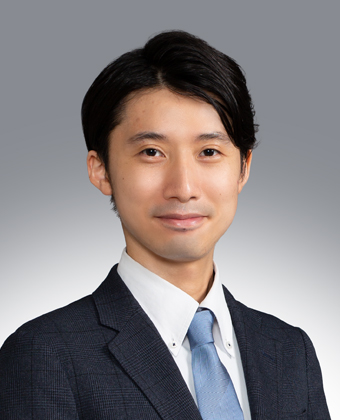
Katsumi Maeda
Center for Policy and the Economy
Katsumi Maeda supports policy development through research and large-scale data analytics. His work focuses on the functional differentiation of inpatient and outpatient care, healthcare expenditure optimization, and the prevention of disease progression. He also conducts independent policy research and develops evidence-based policy recommendations for healthcare policy.
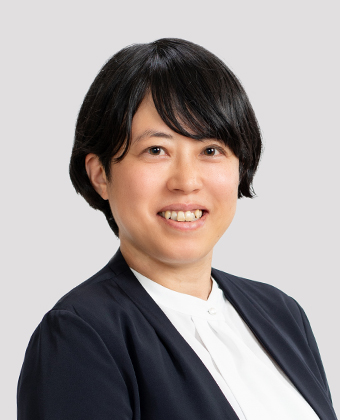
Michiru Kakinuma
Center for Policy and the Economy
Michiru Kakinuma is primarily responsible for research and projects in the healthcare sector. She utilizes her expertise in the study of public health and strives to support the societal implementation of medical and long-term care systems and of preventive care and health promotion. She aims to help create a society where all can live happily and true to themselves.